
Navigating a Slab Leak Insurance Claim Mission Viejo
Dealing with an active subterranean water leak is stressful enough without bureaucratic confusion over insurance reimbursement. Many homeowners ask: does homeowners insurance cover slab leaks Mission Viejo? While every policy is a unique legal contract between homeowner and insurer, California property policies generally evaluate slab leaks under three distinct cost categories.
The information provided here is for general educational orientation and should not be construed as legal or professional insurance advice. You should always read your specific policy declarations and speak directly with your licensed insurance adjuster. However, understanding standard documentation expectations ensures you are fully prepared.
To arrange comprehensive diagnostics and obtain documentation for slab leak repair in Mission Viejo, call (888) 205-7875.
How Insurance Adjusters Typically Categorize Foundation Leak Expenses
Insurance coverage for foundation plumbing ruptures is commonly divided into three separate components:
1. Access and Tear-Out Costs
Standard policies frequently cover the labor and demolition costs required to access the leak—including jackhammering through tile and concrete slab or creating access openings through drywall to reroute overhead pipes.
2. Resulting Water Damage
Damage caused by escaping water—such as ruined hardwood flooring, moisture-saturated baseboards, mold remediation, and damaged cabinetry—is typically covered under sudden and accidental water discharge provisions.
3. The Plumbing Pipe Repair
The direct plumbing repair—the actual brass fitting, copper sleeve, or PEX pipe used to mend the plumbing line itself—is generally considered standard homeowner property maintenance and is often excluded from coverage.
Immediate Steps to Take When Filing an Insurance Claim
-
1
Shut Off the Water and Mitigate Further Damage
Insurers require policyholders to take reasonable steps to prevent ongoing destruction. Turn off the main shutoff valve or isolate the water heater immediately.
-
2
Photograph Everything Before Demolition
Take clear date-stamped photographs of warm spots, buckled floors, discolored drywall, water meter readings, and leaking foundations before any drywall is cut or flooring is removed.
-
3
Obtain an Independent Written Leak Detection Report
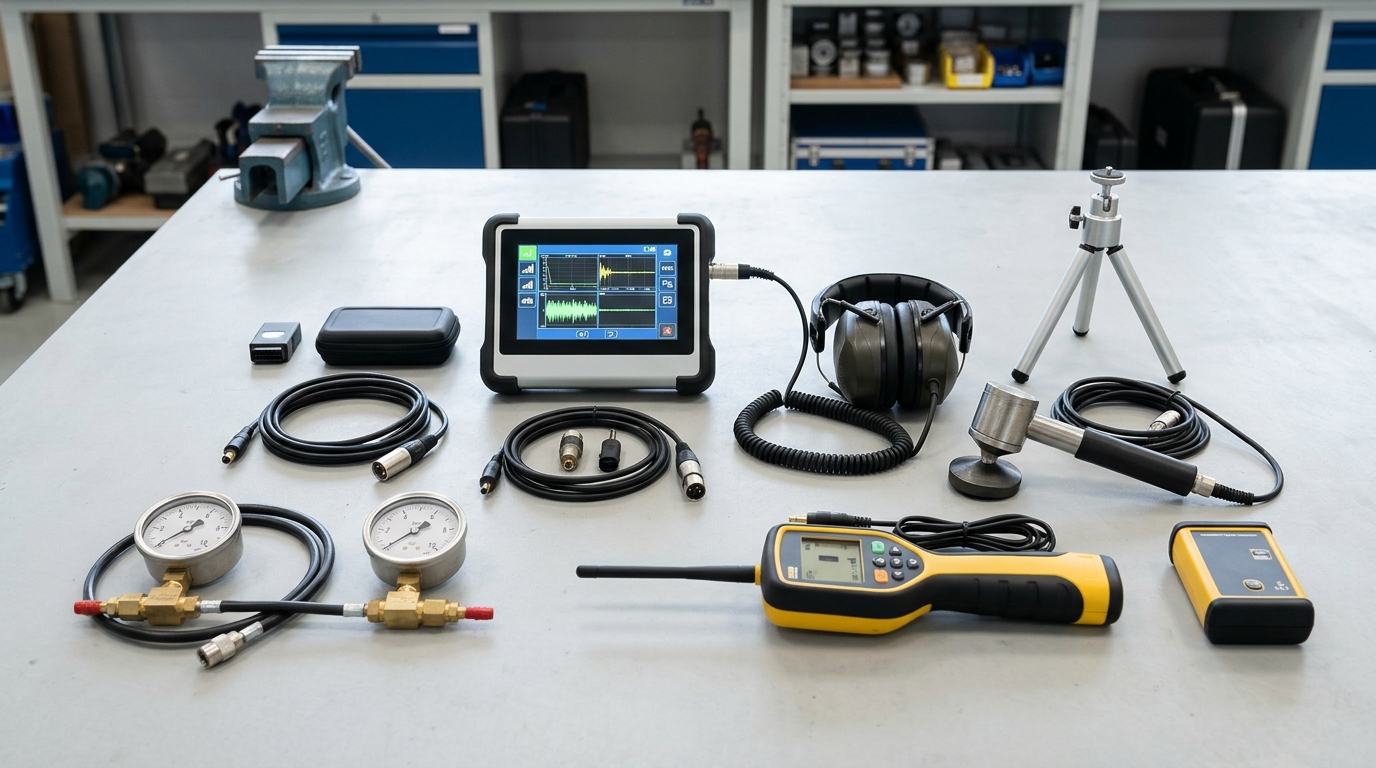
Hire a dedicated diagnostic specialist who provides a written report clearly detailing the pipe location, thermal images, pressure decay logs, and tear-out estimates.
-
4
Review Your Policy Declarations with Your Agent
Contact your insurance agent or claims adjuster promptly. Present the written leak report and request clarification on access coverage, drying services, and repair limits.
For more details on non-invasive pipe rerouting options that minimize tear-out disruption, visit our slab leak reroute page, or explore diagnostic procedures on our slab leak detection page.